
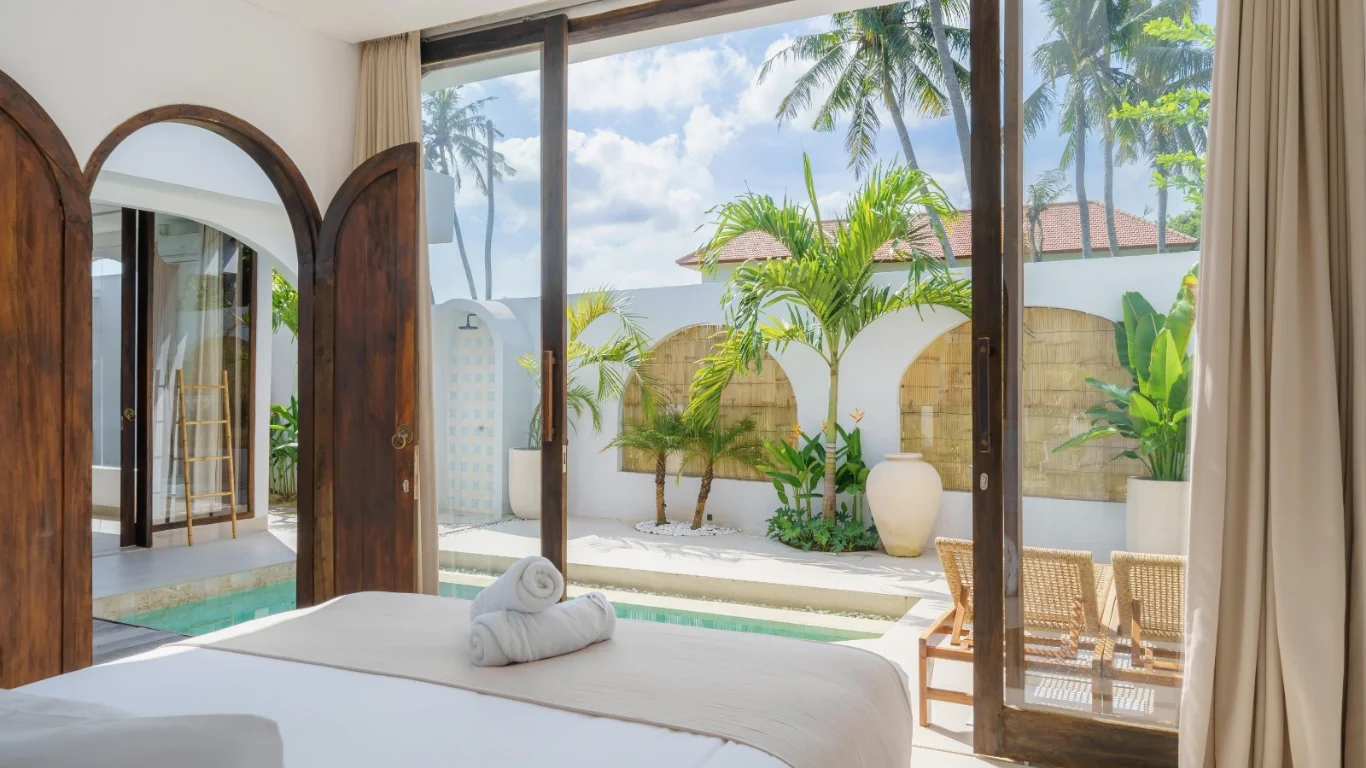
Imagine this: it is day one in Bali. You walk into a luxury villa, you want the AC to feel cool right away, and the same evening you are also cooking, prepping, or hosting guests.
Visitpare.com – Rent Villa Bali That is where the trouble shows up. Power can get overloaded, breakers can trip, and comfort can turn into frustration during the first busy hours, especially around events and meal prep.
This guide is here for renters managing the load across week-one events, daily cooking, and AC use, including how to avoid those “everything runs at once” moments. For context, you can also browse options like rent villa bali while you plan.
After reading, you will aim for three simple outcomes: fewer tripped breakers, smoother AC comfort, and a repeatable daily rhythm. Next, let’s break down what electricity load management means inside a villa, in plain English.
Electricity load
Electricity load is the amount of power your villa is drawing at a given moment. When too many appliances pull power together, the system can struggle.
In a rental, this becomes real fast. One minute it is quiet, then everyone arrives, lights turn on, cooking starts, and suddenly the villa feels stressed. That is when luxury villas for rent in Bali need smarter habits, not just bigger appliances.
Circuit and breaker behavior
A circuit is the wiring path that powers a specific set of outlets and devices. A breaker is a safety switch that trips when the circuit is overloaded.
Renters usually notice it as a sudden blackout in one area, or everything briefly going off. Understanding this helps you explain the problem to staff quickly, instead of guessing which device caused it.
High-draw appliances (AC and cooking)
High-draw appliances are devices that pull more power than typical electronics. AC and many cooking items are common contributors.
When cooking overlaps with heavy AC use, the villa may trip sooner than you expect. That is why load management in a Bali villa is partly about timing.
Simultaneous demand
Simultaneous demand means multiple devices running at the same time. Even if each device alone seems fine, the combined demand is what creates trouble.
Week-one is full of overlaps, like prepping meals while guests relax and the AC runs hard. The goal is to reduce how many big draws stack together.
Week-one activity peaks
Week-one activity peaks are the busiest hours and days right after guests arrive. Energy use often jumps because routines and event setup kick off together.
Once you recognize your peak windows, you can plan around them. Next, we will turn these definitions into a simple daily rhythm you can actually follow.
How to plan your first week day-by-day
1. Do a quick appliance inventory in 10 minutes
What is plugged in before the rush hits? On arrival day, do a fast walkthrough and list the big users, like kitchen appliances, water heaters, and every AC unit. Don’t overthink it, just note what you will actually run during your week.
Then locate the breaker area with the host or staff. If the breaker panel is shared, ask who usually handles resets and what device groups it controls. This turns a mystery outage into a clear fix.
2. Spot high-draw items and your do-not-stack pairs
Next, identify which items tend to run together during cooking, getting ready, and events. In practice, this usually means AC plus one or more kitchen heat sources being used at the same time.
Create simple do-not-stack rules for your household. For example, decide that you will not run the busiest cooking tools while AC is on full blast in the same peak window. The goal is fewer simultaneous big draws.
3. Schedule cooking windows around AC comfort
Cooking feels urgent, but timing is your friend. Pick cooking windows when AC is not spiking, like when guests are eating, or when you are finished with the highest-demand steps.
Reduce the time each appliance stays on by prepping ingredients first, then cooking in shorter bursts. If your menu allows it, stagger tasks so you are not starting multiple heavy actions back-to-back.
4. Use AC settings that reduce power spikes
How you use AC matters as much as how many people are in the villa. Avoid immediately setting the system to maximum cooling right after doors have been open, because that often creates a bigger draw.
Use AC as a controllable load, set a comfortable target, and keep doors and windows closed during the cooling period. When you plan meal prep or event setup, treat AC as one load among several.
5. Assign one power coordinator for the day
One person should own the daily power rhythm. Choose a single power coordinator who checks what is running, coordinates kitchen timing, and watches for signs of instability like sudden trips or partial shutdowns.
If anything goes wrong, this person logs what was on at the moment it happened, then tells the host. That simple record helps you adjust tomorrow instead of repeating the same mistake.
By day two, your week becomes predictable. You will feel a smooth routine, fewer interruptions, and AC comfort that fits your cooking and week-one pace, which is exactly what you want in luxury villas for rent in Bali. Next, let’s handle the moments when the load jumps during special week-one events.
Week-one event power tactics that prevent trips
The moment load spikes
Picture this: it is Saturday night in a Bali luxury villa. Guests arrive together, the welcome dinner starts in the kitchen, and someone flips on outdoor music and mood lighting just as the first batch of cooking begins.
Within minutes, the villa feels off. A breaker may trip, or power may dip so appliances pause. The renter usually assumes one device is at fault, but the real issue is that kitchen load and event load are stacking at the same time.
What to ask your staff and vendors
Before the event gets busy, ask your villa host for the who-handles-what routine. Who resets breakers, and which areas tend to share power?
Then tell vendors to coordinate with that point of contact. Request that they stage equipment ready to plug in later, instead of plugging everything in immediately when they arrive. This keeps the first surge lower.
How to stage equipment instead of stacking
Now budget the evening like a simple plan. Treat cooking as one block, and treat entertainment and lighting as a separate block with a little breathing room between them.
Do the high-draw steps first, then run event equipment. If your menu needs multiple heat sources, shorten cooking bursts and finish preparation ahead of time. Even in luxury villas for rent in Bali, the safest move is staggering.
What to do if the breaker trips
If power cuts, do not keep testing appliances one by one. Pause everything heavy first, then have the power coordinator coordinate the restart with staff.
After it stabilizes, write down what was running at the moment it happened. That quick log lets you adjust the next event window, instead of repeating the same stacked surge tomorrow.
Even with good tactics, the real risk shows up when people misread limits during pressure. Next we’ll cover the common mistakes that follow.
Common mistakes and how to avoid them
Luxury means you will never run out of power
People assume luxury equals unlimited electricity. In reality, every villa still has limits, and those limits show up when AC and cooking compete.
Instead, treat AC and kitchen time as shared resources. If you ignore that, you may trip a breaker at the worst moment, like when guests are arriving.
Is max-cooling safe while cooking is running
It is not. Max-cooling right when the kitchen is active stacks high draws, and the villa can trip sooner than you expect.
Use AC as a controllable load. Keep doors closed during cooling, and stagger heavy cooking steps. If you do not, you get sudden power dips that ruin comfort.
It was fine yesterday, so the routine will work again
Daily success can be misleading. Week-one often has arrival surges, extra prep, and event equipment that did not exist the day before.
Assume the peak window will be busier than normal. If you rely on it working before, you will repeat the same overloaded timing.
Chargers and party gear are harmless on any circuit
Even small devices can matter when many loads stack together. More importantly, you often do not know which devices share the same circuit.
Confirm what staff considers okay to run together. If you guess, you can create a hidden overload, especially during events.
Not coordinating vendors only affects the event schedule
Vendor plug-ins can stack with kitchen activity. When equipment arrives and everything powers on at once, the villa load spikes instantly.
Make one point of contact and stage equipment. If you skip coordination, you invite preventable trips during week-one.
Big groups and outdoor lighting do not change the plan
For large groups, outdoor setups can add unexpected high draws and shift cooking demand later into the night.
Re-plan do-not-stack rules for outdoor lighting and expanded kitchen use. If you keep the old schedule, the late peak hits harder.
Three simple rules to follow
Inventory first, then confirm circuits
Start with a fast check of what you will run during the day. Then ask staff or the host what shares the same circuit so you stop guessing.
This protects your AC comfort and keeps cooking and event gear from stacking by accident.
Stagger AC with cooking and event loads
Plan your busiest moments so high-draw items do not overlap. Use AC as a controllable load, not a constant max-cool sprint.
When you stagger, you reduce the chance of trips and sudden power dips.
Coordinate vendors and log what was running
Give one point of contact to vendors and ask them to stage equipment instead of plugging everything in at once.
If something trips, restart with the plan in mind, and note what was running so tomorrow is smoother.
Before your first big meal or event setup, message your villa host and share your appliance plan. Confirm which circuits share load, then screenshot these rules and use them during week-one prep for luxury villas for rent in Bali. If you want to choose a better-fit villa for how you plan to cook and host, visit baliexpertvillas.com.